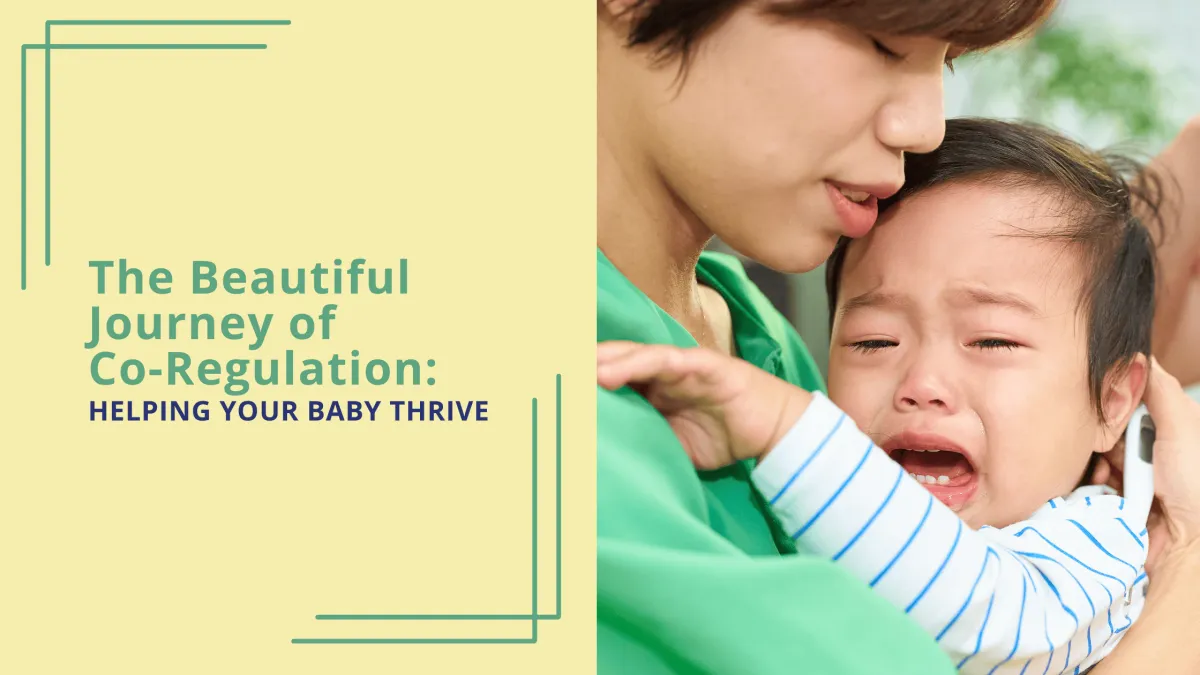
The Beautiful Journey of Co-regulation: Helping Your Baby Thrive
As parents, one of the most important and rewarding roles we play in our babies' development is helping them learn to regulate their emotions. Co-regulation, the process by which a caregiver helps an infant or young child manage and modulate their emotions, is a vital part of your baby's emotional and social growth. When done correctly, it sets the foundation for your baby to develop self-regulation skills later on, which is crucial for their emotional well-being.
At Paths 2 Communication, we understand the importance of emotional regulation in a child’s early years. Co-regulation is not just about soothing a crying baby or keeping them calm during a tantrum—it’s about helping them understand and manage their feelings. In this post, we’ll explore the beautiful journey of co-regulation and provide actionable steps you can take to help your baby thrive.
Step 1: Understanding Co-Regulation and Why It Matters
What is Co-regulation?
Co-regulation is the process through which you help your baby manage their emotions, whether it’s calming them when they’re upset or helping them navigate moments of stress. It involves responding to your baby's emotional state in a way that soothes and supports them, helping them feel safe and secure. In the early stages of life, babies are still learning how to regulate their emotions independently. That’s where you come in as their emotional guide.
Why Is Co-regulation Important?
Co-regulation is crucial because it helps your baby:
Develop emotional intelligence: By guiding your baby through their emotions, you help them understand how to identify and manage their feelings.
Build secure attachment: The bond you create by consistently responding to your baby's emotional needs fosters a strong sense of security and trust.
Promote brain development: Positive co-regulation experiences help your baby’s brain form the necessary neural connections for later self-regulation and problem-solving.
By focusing on co-regulation, you’re setting up your baby for success in the future—helping them navigate challenges with resilience and confidence.
Step 2: The Steps to Foster Co-regulation in Your Baby’s Life
1. Be Present and Attuned to Your Baby’s Needs The first step to co-regulation is being attuned to your baby’s needs. This means noticing their emotional cues, such as crying, fussing, or clinging, and responding appropriately. By being present and mindful of your baby's emotional state, you show them that you are there to help them feel safe and understood.
Example:
If your baby starts crying because they are tired, gently pick them up, speak in a calm, soothing voice, and hold them close. Your presence is enough to offer comfort during this moment of emotional distress.
2. Provide Physical Comfort Sometimes, babies simply need physical comfort to feel regulated. Hugging, holding, rocking, or even offering gentle touch can have a calming effect. These actions help activate the body’s calming systems and create feelings of security.
Example:
Rocking your baby back and forth while humming a lullaby can help soothe them when they are upset. This physical connection helps them regulate their emotions through your warmth and support.
3. Model Calmness Babies are keen observers and often pick up on their caregivers' emotions. By remaining calm during stressful moments, you teach your baby how to regulate their own feelings. Babies are more likely to calm down when they see that you are calm and composed.
Example:
If your baby becomes upset in a crowded environment, try to stay composed. Speak in a soft voice and slowly breathe in and out, showing your baby how to self-soothe through your calm demeanor.
At Paths 2 Communication, we understand that each baby’s journey is unique. Co-regulation can be challenging, especially when your baby is experiencing high emotions. If you're unsure about how to approach co-regulation or want personalized guidance, Book Your Free Navigator Call with us today!
Our team of experts will help you navigate your baby’s emotional needs and offer tips to support their growth.

Step 3: Best Practices for Co-regulation
1. Consistency is Key Babies thrive on routine, and co-regulation is no exception. Consistently responding to your baby's emotional needs helps them build trust and security. The more consistently you respond, the more confident your baby will feel that they can rely on you when they are upset or stressed.
2. Use Soothing Sounds Soothing sounds, such as gentle talking, humming, or soft music, are incredibly effective in helping babies regulate their emotions. The rhythm and tone of your voice act as a calming force.
Example:
Try singing a soft lullaby or even repeating a comforting phrase, such as "It’s okay, Mommy’s here."
3. Offer Opportunities for Self-Soothing As your baby grows, you can start offering opportunities for them to practice self-soothing. You can offer them a favorite stuffed animal, blanket, or pacifier to comfort themselves during moments of distress. Slowly, this will help them develop independence in managing their emotions.
4. Avoid Overstimulation Overstimulation can lead to emotional dysregulation. Be mindful of your baby’s sensory environment. Too many toys, bright lights, or loud sounds can overwhelm your baby’s nervous system. Instead, create a calm, quiet space when your baby needs it.
Step 4: Common Mistakes to Avoid in
Co-regulation
1. Ignoring Your Baby’s Cues It’s easy to get caught up in the busyness of everyday life, but ignoring your baby’s emotional cues can hinder the development of a secure attachment. Always try to respond to their needs with empathy and understanding.
2. Relying Too Much on External Soothers While items like pacifiers or toys can be helpful, they should not be relied upon too much as substitutes for your own calming presence. Your emotional connection and support are more important than anything else.
3. Losing Patience Co-regulation can be a challenging process, especially when your baby is upset for prolonged periods. Regularly losing patience or becoming frustrated can negatively impact your baby’s emotional state. Take deep breaths, and remember that your baby is learning from your response.
Co-regulation is a beautiful and powerful process that helps your baby thrive emotionally and socially. By responding to your baby’s emotional needs with empathy, calmness, and consistency, you help lay the foundation for their emotional well-being and future self-regulation skills.
At Paths 2 Communication, we’re committed to supporting families as they navigate this critical aspect of child development. Book your free navigator call with us today to learn personalized strategies and gain the confidence you need to help your baby thrive emotionally.
